


Snack Bar Packaging
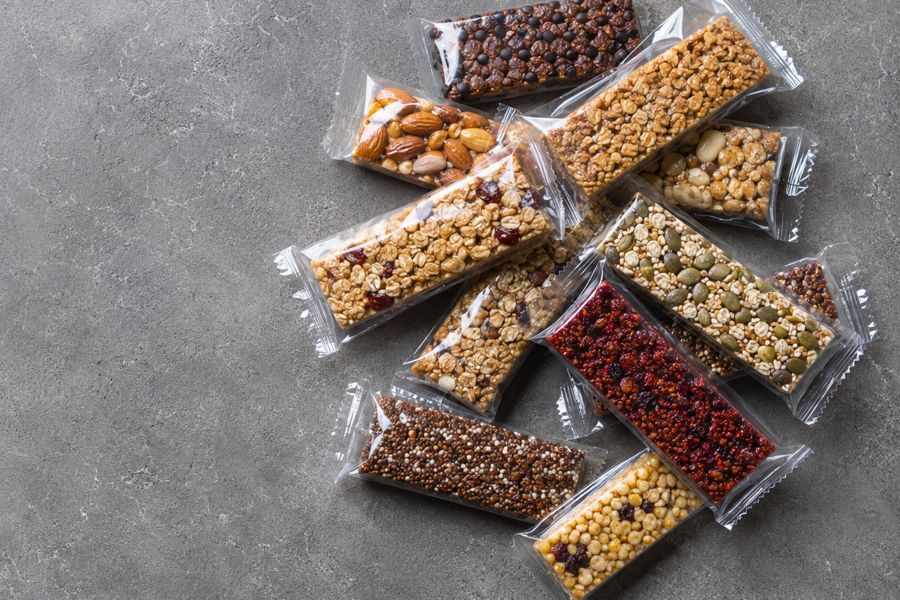
Snack bars cover a wide range of products, including protein bars, cereal bars, breakfast bars, granola bars, energy bars, fruit and nut bars, and meal replacement bars. The recipes and formats vary, but once each bar is individually wrapped, the next challenge is usually similar, which is getting the right number of bars into cartons or display boxes without slowing the line down or damaging the primary pack.
That secondary packaging stage is where many production issues appear. Counting, collating, loading, closing and case packing all need to work reliably with the speed and variation coming from the primary wrapping line.
What secondary packaging means for bar products
Primary packaging is the individual wrap around the bar itself, usually a flow wrap, pillow pack or formed film seal. Secondary packaging is the next stage. It groups those wrapped bars together for retail, wholesale or distribution. For snack bars, this often means:
-
a retail carton containing a fixed number of bars
-
a shelf-ready or display-ready box designed to sit open on shelf
-
a case or shipper holding multiple inner packs
-
a multipack sleeve or shrink bundle where film is used instead of a formed carton
The pack format is often decided by the retailer, the sales channel or the commercial model. A carton that works well on shelf is not always the easiest format to run at production speed, so the machinery specification has to take both sides into account.
How wrapped bars move through the line
A typical bar line starts with forming, filling and sealing upstream. From there, individually wrapped bars leave the primary wrapper at a set rate. The secondary packaging line then needs to count and group the bars into the required format. A carton might need six, eight, ten or twelve bars. Some products are packed flat, some are stacked, and some need to be presented on edge. That orientation is important, bars lying flat behave differently from bars standing on edge, especially when they are being fed, collated and loaded into a carton.
Once the bars are grouped correctly, the cartoner loads them into the carton. Horizontal cartoners are commonly used for rectangular bar products because the end-load format suits the shape well. The grouped bars are pushed into a pre-formed carton, the end flaps are tucked or glued, and the carton moves on for coding, checking and discharge. Top-load systems may be used where the carton design, product handling or presentation requirement makes end-loading less suitable.
Downstream, cartons may then be packed into cases or prepared for palletising, depending on how the product is distributed. The important point is that the secondary line has to keep up with the primary line. If a wrapper is producing 250 bars per minute and each carton holds ten bars, the cartoner needs to handle at least 25 cartons per minute, with enough margin to avoid becoming the bottleneck.
Where snack bar packaging lines lose efficiency
The headline speed of a machine rarely tells the full story. A cartoner may be rated at 80 or 100 cartons per minute, but that figure is usually based on a stable product, a consistent carton and controlled running conditions. In production, the actual output can be lower because the line has to deal with different bar sizes, carton counts, board grades and changeovers.
Changeover time is one of the biggest issues on snack bar lines. A manufacturer may need to switch from one flavour, bar size or carton count to another several times in a shift. Each change can involve adjusting guides, lane widths, format parts, glue settings and carton handling.
On older or heavily manual machines, a careful changeover can take far longer than expected. If that happens several times a day, the lost production time can be more significant than the machine’s rated speed. Small stops also add up. Bars can turn slightly in the infeed, cartons can fail to erect cleanly, glue systems can take time to settle after a stop, or a variation in the primary wrap can cause jams during collation. None of these issues may look major on their own, but together they affect real output across a shift.
Why carton and product variation Are Important
Individually wrapped bars are not all the same from a machinery point of view. A firm protein bar in a tight wrap does not behave like a softer cereal bar with a looser film. A proud seal, slight overfill or variation in product length can affect how the bar travels through guides and into the collation system. The secondary equipment needs enough tolerance and adjustment range to handle normal production variation. A machine that only runs well with perfect product will usually cause problems in day-to-day use.
Cartonboard also makes a difference. Recycled board, lightweight board and heavily printed board can all behave differently during carton erection, closing and gluing. Stiffness, surface finish and moisture can affect how consistently a carton opens, folds and seals. This is why carton testing and product handling trials are important when specifying or adapting a line. The question is not just whether the machine can run the format once. It is whether it can keep running it reliably during normal production.
Specifying machinery for snack bar lines
For manufacturers running several bar products, changeover should be considered early. Tool-less or minimal-tool changeover can reduce downtime significantly, especially when the line handles multiple SKUs. Pre-set positions, quick-release format parts and clear adjustment points make it easier for operators to switch between products without lengthy manual setup. The collation system is just as important as the cartoner. It needs to count accurately, present the bars in the correct orientation and handle normal variation in the wrapped product. Sensor-based checking or rejection can help stop poor-quality packs reaching the cartoner and causing a jam.
Glue systems also need to suit the cartons being used. A system that can handle a sensible range of board grades and recover quickly after a stop will usually give better results than one that is too narrow in its operating window. Shelf-ready and display-ready cartons can add another layer of complexity. These packs are designed for presentation, not just transport. Perforations, trays, tear fronts and display features can all affect how the carton is erected, loaded and closed. For this reason, machinery for snack bar packaging should be specified around the real pack range, not just the easiest carton in the range.
What buyers should consider
The snack bar category has become more varied. Manufacturers are often running more flavours, more recipes and more pack counts than before. That creates pressure on secondary packaging lines. A line that was originally set up for long runs of one product may not be the right fit for shorter runs and regular changeovers. Before investing in new equipment or modifying an existing line, buyers should look at the practical production questions:
-
How many bar sizes does the line need to handle?
-
How many carton counts are required?
-
How often do changeovers happen?
-
Which carton formats cause the most stops?
-
Where is time being lost now?
-
Is the line limited by speed, changeover, product handling or carton quality?
Those answers usually show where the machinery needs to improve. In many cases, the best solution is not simply a faster machine. It is a line that is easier to change over, more tolerant of real product variation and better suited to the way the manufacturer actually runs.
Jacob White builds and adapts packaging machinery for manufacturers handling wrapped bar products, including snack, confectionery and similar bar-format lines. Speak with our team about your snack bar cartoning or case packing requirements.