


When a Cheap Packaging Machine Becomes an Expensive Problem
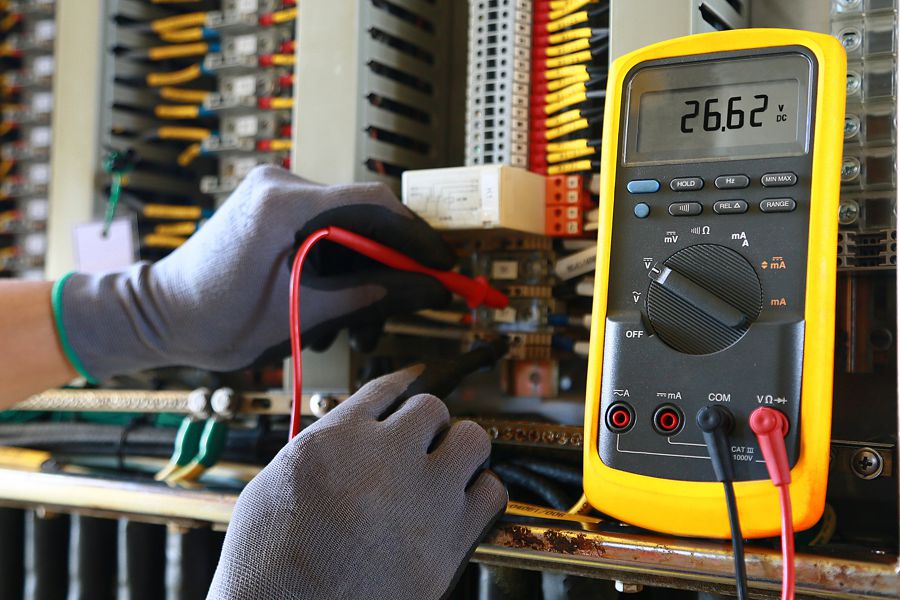
We sometimes hear from companies that have bought a packaging machine elsewhere, often because the initial price looked very attractive, only to find that it never works as expected and the original supplier becomes difficult or impossible to reach. By the time they contact another machinery manufacturer, they are usually looking for a straightforward answer: can someone come in and fix it?
Sometimes that is possible, but it is rarely as simple as replacing a faulty component. The first difficulty is understanding what you are looking at. Another manufacturer may have limited electrical information and restricted access to the PLC or HMI programme. There may be very little history of how the machine was commissioned, what settings were changed afterwards or what other engineers have already tried. Until that picture is clear, it is difficult to know whether the problem is a failed part, a control issue, the original specification or something more fundamental.
A machine that has never run correctly can be particularly difficult because there may not be one obvious fault waiting to be found. Sometimes the cause really is a component or setting. In other cases several smaller issues combine, and they only become apparent once its documentation and its production history have been looked at together.
The product itself may be part of the problem. The machine might have been demonstrated using one set of samples, then asked to handle something slightly different when it reached production. Cartons have tolerances, products behave differently at speed and equipment further up the line does not always present everything in exactly the same way.
There can also be changes that have happened since delivery. Wiring may have been altered, parts replaced and software adjusted while people tried to get the machine running. An engineer coming in later has to understand those changes as well as the original design. That is when a repair can start to become a piece of reverse engineering.
If the work eventually involves changing controls or altering part of a safety system, it can move beyond an ordinary repair altogether. In Great Britain, HSE guidance explains that very substantial changes to a machine’s design or safety can mean it has to be treated as a new machine, with fresh conformity-assessment, documentation and marking responsibilities. That is one reason a machinery manufacturer may be cautious about taking responsibility for equipment it did not design or commission in the first place.
The difference between a cheap quote and a cheap machine
Price will always be part of a machinery decision. If two quotations appear to offer broadly similar equipment and one is considerably lower, it would be strange not to look at the saving. The difficulty is knowing whether you are really comparing the same thing.
A quoted speed does not tell you whether the machine will handle your product consistently. It does not show how easily it will cope with different carton sizes, what happens during a changeover or how well it will connect to equipment already running in your factory. The test before shipment is therefore important, particularly with bespoke or more complex machinery. Wherever possible, it should use the actual products and pack formats that will be used in production, not simply whatever samples happen to be convenient at the time.
Both sides also need to agree what is being proved. If a machine runs successfully for a short demonstration, does that show it can achieve the required production speed over a realistic period? Has it been tested with every important format? What happens if a fault occurs and the line has to recover? Those questions are easier to answer before the machine leaves the supplier than after it has arrived on site.
What happens after delivery is just as important
A quotation tends to focus attention on the machine itself, but the support around it can become just as important once production starts. Before ordering, it should be clear who will install and commission the equipment, how it will be connected to the existing line and where the customer goes for technical help afterwards. Spare parts are a good example. A relatively inexpensive sensor or drive can stop a much more valuable production line if the correct replacement cannot be found quickly.
PMMI’s 2025 Aftermarket Parts & Service Report found that 75% of packaging and processing end users identified immediate parts availability and fast lead times among their top expectations from machinery suppliers. The same principle applies to software, if access to the PLC or HMI remains entirely with the original manufacturer, an engineer brought in several years later may have very little ability to investigate a fault. Buyers should know what drawings and software backups they will receive and whether there are restrictions on future access to the controls.
This does not mean overseas or lower-cost machinery is automatically a poor choice. Good packaging equipment is built all over the world, and many international manufacturers provide very good technical support. The point is to establish what that support actually looks like before placing the order.
Where the saving can disappear
The original purchase price is easy to see because it is written on the quotation, the additional costs tend to appear later. If a machine stops production, someone has to find the problem. On unfamiliar equipment that can mean spending hours simply understanding how the machine has been put together before any repair work begins.
If documentation is incomplete, replacement components may take longer to identify. If the controls cannot easily be accessed, software problems can be harder to diagnose. Specialist engineers may need to travel, and some parts may have long lead times. More difficult cases can involve changes to the product handling or control system before the machine will run reliably.
At some point, a company can find itself asking a question it never expected when the machine was ordered: is it still worth spending money trying to make this equipment work, or would replacing it make more sense? That is how a low initial price can turn into an expensive problem.
A few questions worth asking before you order
There is no way to remove every risk from buying machinery, but several questions are worth settling before money changes hands.
- What exactly will be tested before shipment? Agree the products and packaging materials that will be used, what performance is expected and how the result will be judged.
- Who is responsible for installation and commissioning? This becomes particularly important when the machine has to connect with an existing production line.
- What information will be supplied with the machine? Ask about manuals, electrical drawings, component information and any access you may need to the controls later.
- How will spare parts be supplied? Find out what the manufacturer recommends keeping on site and what lead times normally apply to replacement parts.
- What support is available after the warranty? A packaging machine may remain in production for many years, so it helps to know who will still be available when you need technical support later.
- What happens if the original supplier is no longer available? No one orders a machine expecting that situation, but having the drawings, software backups and machine information in your own possession can make a substantial difference if another engineer ever has to take over.
These are sensible questions whether the supplier is based nearby or thousands of miles away.
For companies importing machinery into Great Britain
There is an additional point for UK buyers. If you are bringing machinery directly into Great Britain, check who is responsible for compliance before you order. Current GOV.UK guidance confirms that CE marking remains recognised for many product regimes, including machinery, alongside UKCA marking. HSE guidance also warns that a conformity mark does not automatically mean a machine is safe. New machinery should come with the appropriate declaration of conformity and instructions in English. If the position is unclear for the particular equipment you are buying, check the current requirements before committing to the purchase.
Think beyond the quotation
The country where a packaging machine was built tells you very little on its own. What is more useful is knowing how well the supplier understands your application, what has actually been proven before delivery and what happens when you need technical help later.
A packaging machine may stay in production for many years. During that time products change, components wear and faults eventually happen. The supplier behind the machine can make a considerable difference to how straightforward those problems are to deal with. So when you compare quotations, look beyond the purchase price and ask what support sits behind the machine once it reaches your factory.
If you are choosing a packaging machine for your production line and would like to discuss what will suit your application, contact Jacob White Packaging.