


What Is Secondary Packaging?
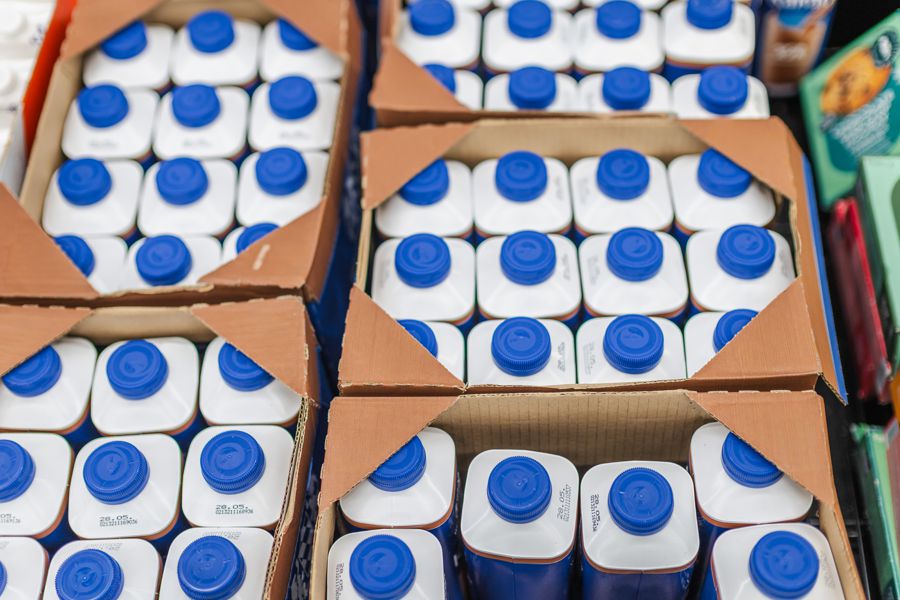
When people think about packaging, they usually picture the pack they take home from the shop. It might be a tray of chicken, a box of cereal bars or a carton of tissues. That is only part of the story. Before a product reaches a supermarket shelf or a warehouse, it often passes through several stages of packaging. The pack you see is known as the primary packaging, and the packaging that groups those individual products together is called secondary packaging.
Although customers rarely notice it, secondary packaging plays an essential role in manufacturing, transport, retail and automation. Without it, moving products safely and efficiently through the supply chain would be far more difficult.
What is secondary packaging?
Secondary packaging is the packaging used to group and transport individual retail products. Unlike primary packaging, which comes into direct contact with the product, secondary packaging normally surrounds one or more finished retail packs. Examples include:
- A cardboard carton holding several protein bars.
- A case containing multiple trays of fresh poultry.
- A display-ready carton of tissues for a supermarket shelf.
- An outer box containing individually wrapped medical products.
- A shipping case holding several retail cartons.
Once the secondary packaging reaches a retailer or warehouse, it may be opened and discarded, or it may become part of the product display.
Primary, secondary and tertiary packaging
Packaging is often divided into three levels.
- Primary packaging is the first layer that comes into direct contact with the product. Examples include a crisp packet, a yoghurt pot, a drinks bottle or the wrapper around a cereal bar.
- Secondary packaging groups those products together. This could be a carton containing several cereal bars, a case holding bottled drinks or a display tray designed for supermarket shelves.
- Tertiary packaging is used to move larger quantities through the supply chain. This includes pallets, stretch wrap and other materials used during transport and warehousing.
Each level has a different purpose, but all three need to work together to create an efficient packaging process.
Why is secondary packaging important?
Secondary packaging does much more than simply hold products together. It helps protect goods during storage and transport, making them easier to handle throughout the supply chain. It also improves stock control by allowing products to be counted, stacked and moved in consistent quantities.
For retailers, secondary packaging can reduce the time needed to replenish shelves. Shelf-ready packaging, for example, allows staff to place an entire display directly onto the shelf after removing part of the outer carton. Manufacturers also benefit from greater efficiency. Products that are grouped consistently are easier to transport, palletise and distribute, helping reduce handling throughout the production process.
Secondary packaging appears in almost every industry. In food manufacturing, cereal bars may be packed into printed cartons before being loaded into larger transit cases. Fresh poultry trays are commonly grouped into outer cases for chilled distribution. Beverages are often packed into cardboard outers or shrink-wrapped multipacks before palletising.
In pharmaceuticals, individual medicine cartons may be grouped into larger shipping cases. Consumer goods, cosmetics, household products and industrial components all rely on secondary packaging to move products safely from factory to customer.
Secondary packaging and automation
As production volumes have increased, secondary packaging has become one of the areas where automation delivers significant benefits. Many manufacturing lines now produce hundreds of products every minute. Manually grouping, loading and packing these products into cartons or cases can quickly become a bottleneck. Automated secondary packaging systems help maintain production speed while improving consistency. Depending on the application, automation may include:
- Product collation.
- Cartoning.
- Case packing.
- Robotic pick-and-place systems.
- Automatic case closing.
- Product counting and grouping.
The exact solution depends on the product, packaging format and required production speed.
Almost every manufacturing sector relies on secondary packaging. Common industries include:
- Food and beverage.
- Pharmaceuticals.
- Medical devices.
- Cosmetics and personal care.
- Household products.
- Pet food.
- Nutritional products.
- Confectionery.
- Industrial products.
Although the products themselves differ, the objective remains the same. Group finished items efficiently so they can be stored, transported and distributed safely.
Modern manufacturers often produce many different product variations on the same production line. Different pack sizes, promotional offers, retailer requirements and export markets all increase the number of packaging formats that need to be handled. As a result, flexibility has become just as important as speed. Packaging machinery increasingly needs to accommodate different carton sizes, varying product counts and faster changeovers without lengthy downtime. This allows manufacturers to respond more quickly to changing customer demand while maintaining efficient production.
How secondary packaging supports sustainability
Secondary packaging also plays an important role in sustainability. Well-designed packaging can reduce material usage, improve transport efficiency and reduce product damage during distribution. Using the right case size, reducing unnecessary board and improving pallet efficiency can all help reduce waste throughout the supply chain.
However, sustainability is about more than simply using less packaging. Secondary packaging must still provide enough protection to ensure products arrive in good condition. Packaging that fails during transport can create greater waste than slightly heavier packaging that protects the product properly. Finding the right balance between protection, efficiency and material use is becoming an increasingly important consideration for manufacturers.
Jacob White Packaging specialises in automated secondary packaging machinery. From cartoning and case packing to customised automation systems, our machinery helps manufacturers group products accurately and efficiently while keeping pace with modern production demands. Whether handling protein bars, tissue products, pharmaceuticals, poultry products or many other applications, the right secondary packaging solution can improve productivity, reduce manual handling and support future growth.
If you would like to discuss a secondary packaging application or explore opportunities to automate your packaging process, contact Jacob White Packaging to speak with our team.